
Articles & Personal Blogs
How Social Media Hooks a Generation
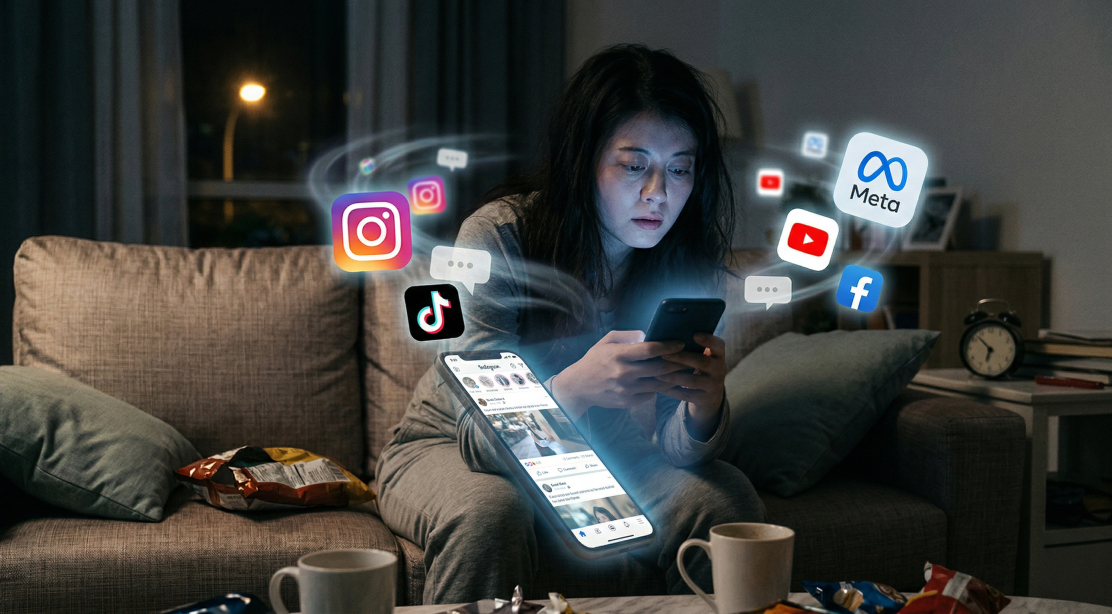
The Engineering of Digital Addiction: How Social Media Hooks a Generation
In a landmark legal decision, major tech companies Meta and Google have been found liable for deliberately engineering addictive platforms that cause severe mental health harm to youth. A Los Angeles jury recently awarded $6 million in damages to a 20 year old woman named Kaley, who successfully argued that her mental health distress stemmed from a childhood addiction to Instagram and YouTube. This verdict validates a novel legal theory: that social media apps can cause personal injury not through user content, but through their very design.
The Mechanics of Addiction
How exactly do these platforms hook users? The lawsuits highlighted specific "attention-grabbing" design features built into the apps, such as infinite scroll, algorithmic recommendations, and autoplay videos. US Lawyers compared these design choices to the tactics used by Big Tobacco in the 1990s, arguing that the platforms act as "addiction machines" designed to compulsively keep people glued to their screens.
Internal company documents presented during the trial revealed that tech executives were aware of the negative effects their products had on children. However, evidence suggested the companies deliberately sought to attract younger users because they were more likely to stay on the platforms for longer stretches of time, effectively choosing profits and growth over safety. For example, despite internal warnings that beauty filters could harm teenage girls, Meta CEO Mark Zuckerberg chose not to ban them, citing a desire to allow user expression.
The Devastating Impact on Youth
The human cost of this engineered addiction is profound. Kaley testified that she began using YouTube at age six and Instagram at age nine, encountering no age verification barriers. By the age of ten, she was suffering from anxiety, depression, and engaging in self harm. Her daily social media use occasionally stretched to 16 hours, causing her to withdraw from her family. Furthermore, her compulsive use of beauty filters to mask her insecurities led to clinical diagnoses of body dysmorphic disorder and social phobia.
A Turning Point for the Industry
The tech industry is facing a massive global backlash over these revelations. While Meta and Google vehemently deny wrongdoing and plan to appeal the verdicts arguing that teen mental health is highly complex and not linked to a single app—the legal and cultural landscape is rapidly shifting. This verdict is just a starting case, with thousands of similar lawsuits from teenagers, families, and school districts currently pending.
Globally, lawmakers are also stepping in to curb youth digital addiction. Australia recently barred children under 16 from using social media, and multiple US states have enacted laws requiring age verification and restricting cellphone usage in schools.
Find more on this subject in Episode 144 of All Things TechIE Podcast



Delivering the
latest insights
on AV & Tech