
Articles & Personal Blogs
The Future of Accessibility in Higher Education AV
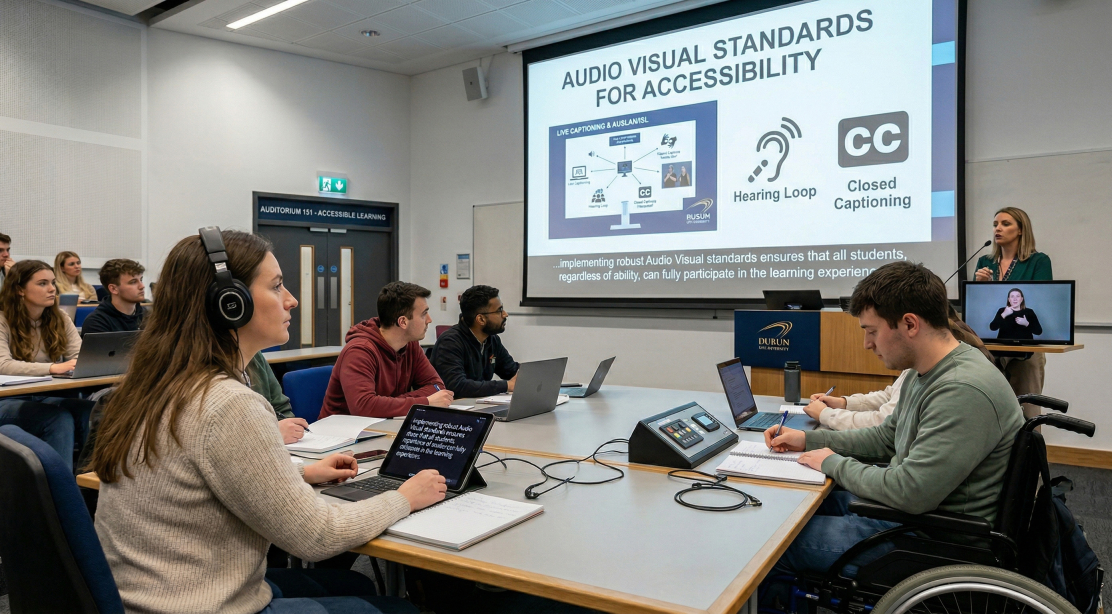
At ISE 2026, while recording Episode 138 of my All Things TechIE Podcast, I had the privilege of hosting a conversation that might just reshape how we approach accessibility in educational technology forever. Lewis Shevelan, AV Supervisor at King's College London, and Greg Jeffreys, AVIXA standards consultant, joined me to unveil what could be the most important development in our field: a formal, AVIXA-backed accessibility standard specifically designed for higher education AV environments.
More Than Compliance: A Paradigm Shift
Let's be clear: this isn't another checkbox exercise. For years, universities have struggled with piecemeal approaches to accessibility—often treating it as a legal requirement rather than an opportunity for genuine inclusion. The standard Lewis has been championing since mid-2025 represents a fundamental philosophical shift from "technology push" to "user-centred design." Instead of asking "What can our equipment do?" we're finally asking "What do our users need?" And the answer, it turns out, is both simple and revolutionary: accessible design is, by definition, good design. When we create AV systems that serve students with disabilities, we inevitably create better experiences for everyone.
The Proposed Standard: Core Principles
So what exactly does this proposed standard entail? Here are the key elements:
1. Technology-Agnostic Performance Outcomes: The standard focuses on measurable AV performance metrics—particularly speech intelligibility—rather than prescribing specific hardware.
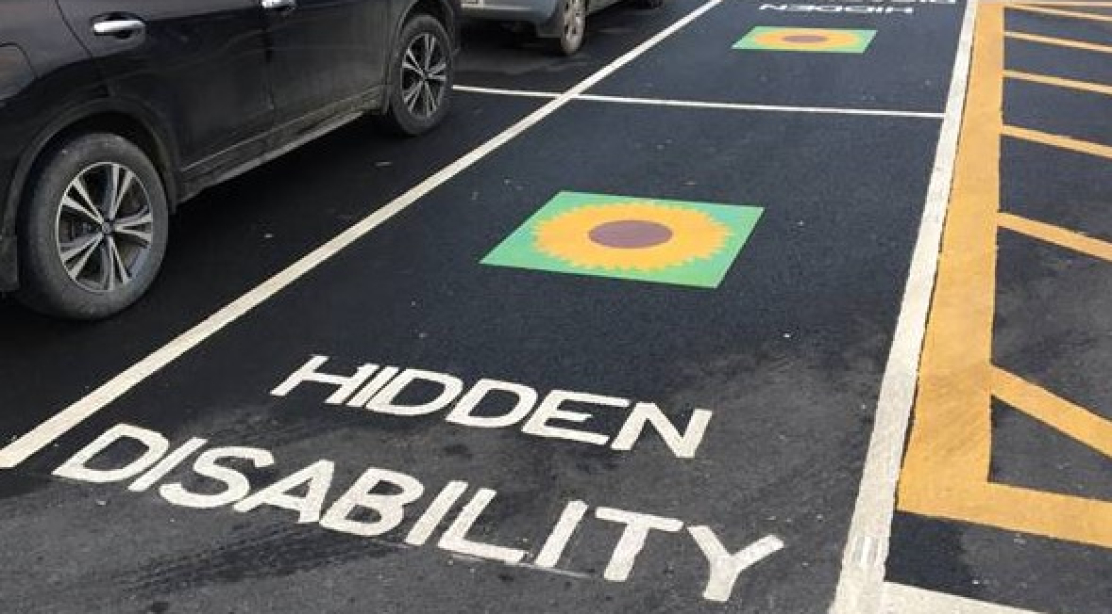
2. Inclusive of All Disabilities: While many regulations focus narrowly on physical disabilities, this standard explicitly addresses hidden disabilities like autism, ADHD, and sensory processing disorders.
3. Accountability Through Measurement: The standard provides universities with a framework to justify budgets for accessibility and hold integrators accountable for actual performance.
Why Audio Comes First
During our conversation, one point stood out: audio is more critical than video for accessibility. The standard prioritiwes acoustic performance, and technologies like Auracast are emerging as game-changers. Auracast allows students to receive personaliwed audio directly to their hearing aids or headphones without ever having to disclose a disability. That's empowerment through elegant design.
Looking Ahead
The proposed AVIXA accessibility standard is currently in the drafting phase, with plans for continuous updates. It's a living document, not a static rulebook. This flexibility is crucial because accessibility needs will continue to evolve alongside our understanding of neurodiversity and inclusion.
As I reflected during the podcast, this isn't about doing the minimum required by law. It's about creating spaces where every student can thrive. The AV industry has often been accused of being technology-centric. With this proposed standard, we have a chance to prove that we're ultimately people-centric.
And that, my friends, is a standard worth pursuing.
Justin Dawson is a multi-award winning AV Professional and Tech Influencer. Find more of his writings at www.SirJustinDawson.com
You May Also Like
Delivering the
latest insights
on AV & Tech